
A dynamic checkweigher is an inline scale that grades every pack as it moves down the line, accepts the in-spec ones, and signals or rejects everything outside your weight band. The right model depends on three things: the heaviest pack you need to weigh, how many packs per minute you run, and whether you also need to sort by class or screen for metal.
Start with capacity. The CW-100G family handles tea bags, sachets and tablets up to 500 g. The CW-600G, CW-1.2K, CW-3K and CW-6K cover boxed snacks, bagged food and detergents up to 6 kg. The CW-15K through CW-60K range covers bulk packaging, agri-products and feed, and the CW-2.5T handles palletised loads up to 2.5 tonnes.
An inline checkweigher uses a single accept/reject decision: under-weight, on-target, or over-weight. That is exactly what you want for fill-control on a packing line, where any out-of-spec pack should be removed and re-worked.
A weight sorter, like the CW-1.2K Sorting and CW-6K Sorting, splits product into 5 to 7 weight grades on the fly. It is the right tool for portioning poultry, produce, meat trays or pre-pack snacks where each class lane is sold at a different price.
For food, pharma and dairy lines that need a single inspection point, the CW-1.2K MD, CW-3K MD and CW-6K MD pair a checkweigher with a metal detector on the same conveyor. Packs are weighed and screened for ferrous, non-ferrous and stainless contaminants in one pass, and the controller can reject for either fault.
If you only need contamination control, the MD Series II is a standalone metal detector with a self-learning head and stainless build, ready to drop into an existing line.
Speed and accuracy trade off against each other. Small-pack units run faster because the pack settles on the load cell quickly. The CW-100G Pro reaches 300+ packs per minute, the CW-1.2K is around 120, and the CW-60K typically settles between 30 and 60 packs per minute. The control head smooths and filters the live signal, so the real-world accuracy on a moving belt stays close to the static accuracy of the load cell.
For food and dairy plants, choose a model with stainless conveyors, tool-free belt removal, and an IP-rated control box that can take wash-down. The same machine in standard build is fine for warehousing, hardware, chemicals or e-commerce parcel checks.
Every checkweigher in the range exposes weight, reject, and statistics data over RS232/RS485, Ethernet, and standard fieldbus protocols. That means the unit can feed live OEE data into your PLC or SCADA, push pack-level weight records to a database, and drive the reject mechanism, label printer, or downstream divert gate directly from the controller.
Dynamic checkweighers verify the weight of every pack as it moves down the line, catching under-fills, over-fills, and missing components. Pick the capacity that matches your largest pack, then choose between a straight inline checker, multi-grade sorting, or a combined metal-detect line.
Showing 17 of 17 models
Inline dynamic checkweighers verify each pack as it moves down the line, accepting in-spec product and signalling rejects in real time.
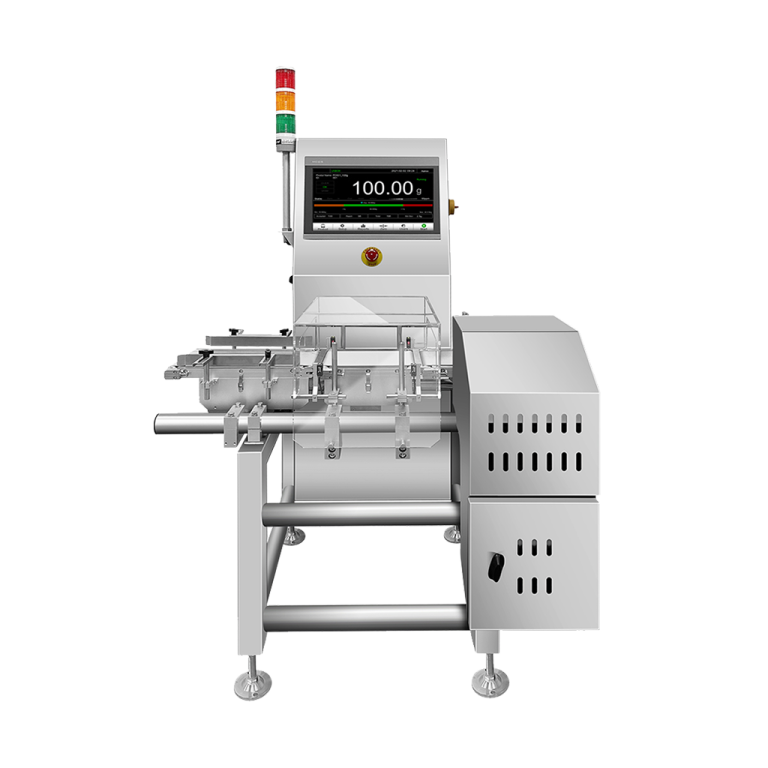
Tea bags, tablets, sachets, and small snacks.

Sachets, powders, capsules, and small pouches.
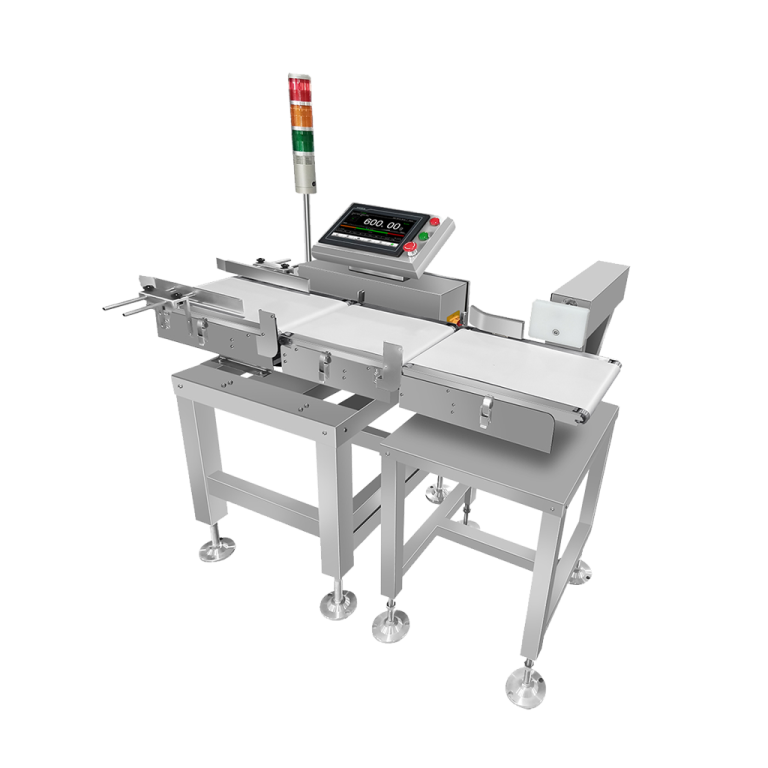
Boxed snacks, tubs, cosmetics, and medical kits.

Bagged food, bottled goods, and medium containers.

Frozen foods, meat trays, packaged produce.

Detergent bags, baking ingredients, hardware.
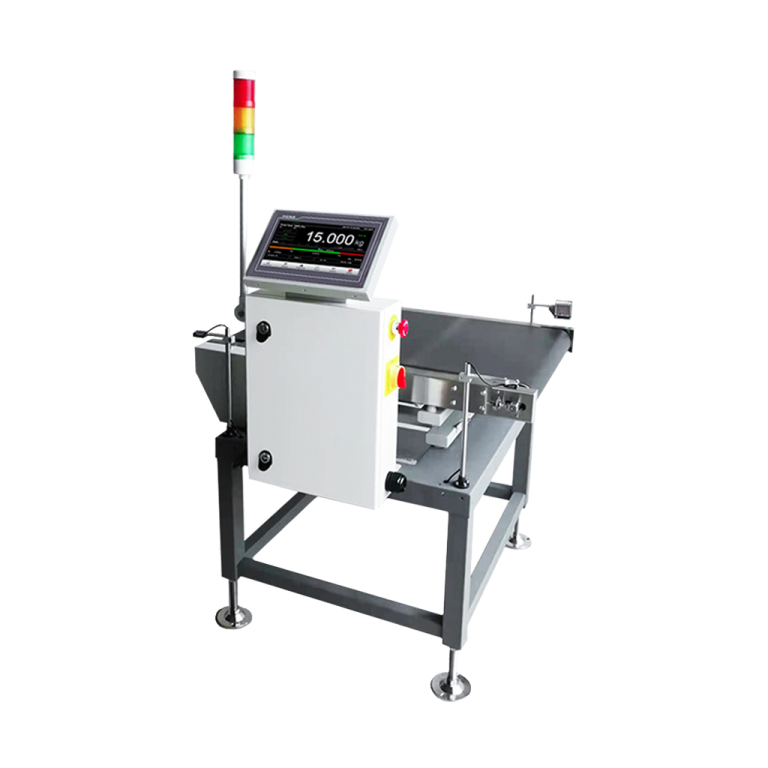
Bulk packaging, agri-products, feed, chemicals.

Feed bags, seed packaging, chemical sacks.
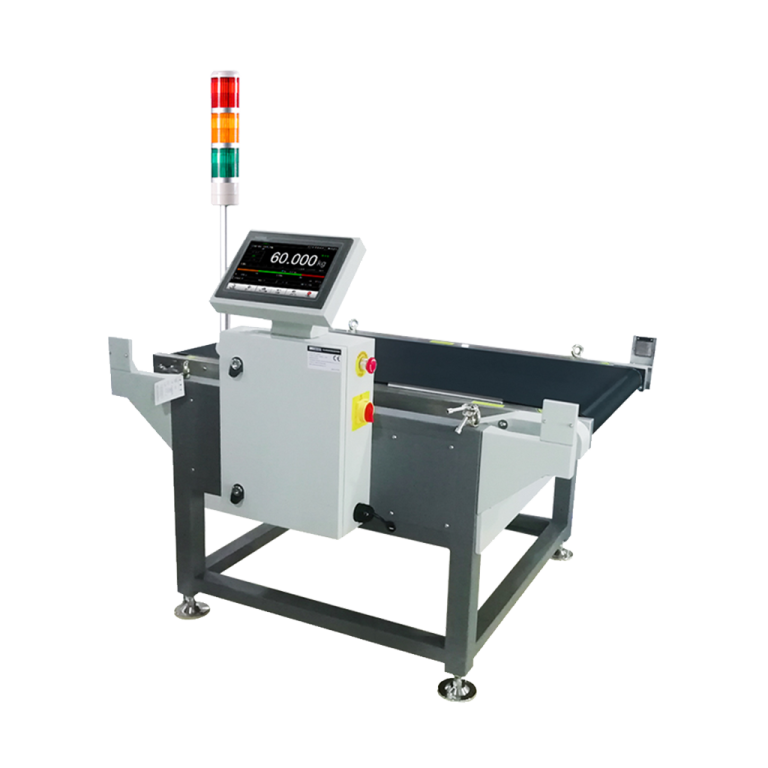
Warehousing, logistics, secondary packaging checks.

High-precision 60 kg with reinforced frame.

Palletised goods, bulk bins, and heavy crates.
Weight-sorting machines split product into multiple grade lanes by weight, ideal for portion control and class A/B/C packing.

5 to 7 grade sorting for portions, snack bags, pouches.

Poultry packs, produce crates, and meat trays.
Combination units pair a checkweigher with a metal detector, or run metal detection as a stand-alone food-safety check.
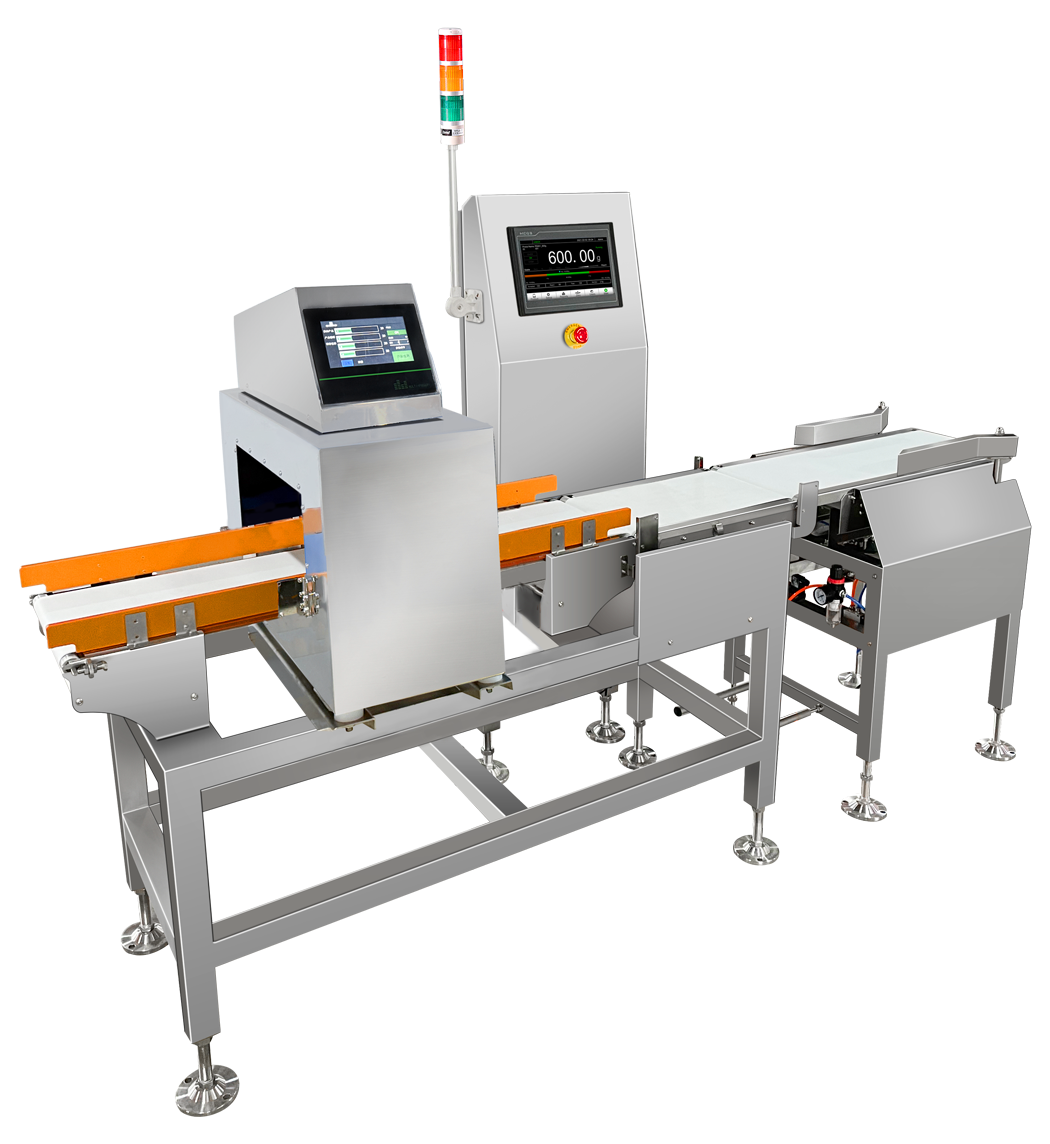
Combined sort plus metal detection for pouches and seafood.
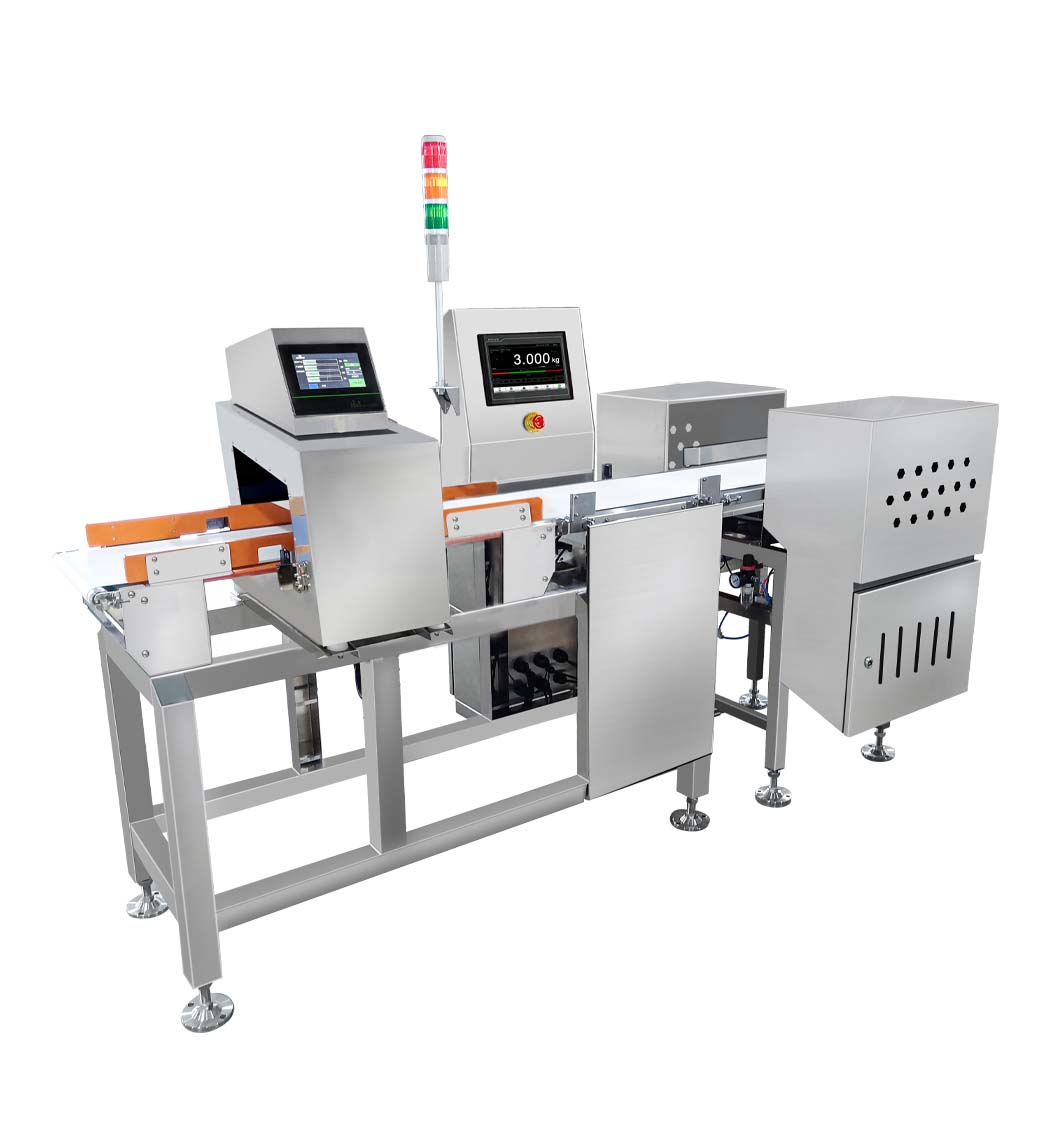
Weight plus contaminant control for frozen and snacks.
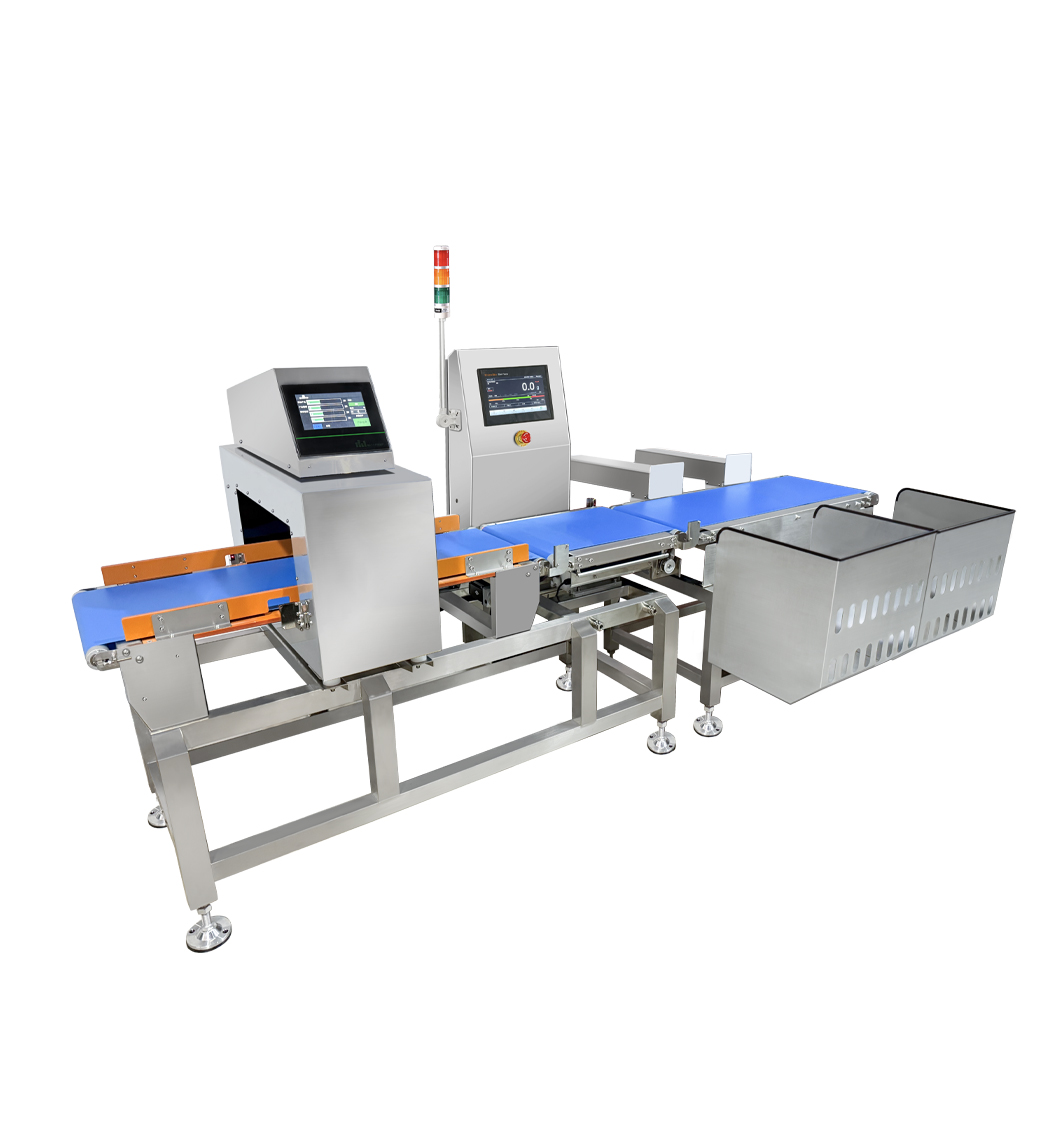
High-capacity sort plus metal detection for trays.

Standalone metal detection for food, pharma, packaging.